FRONT LINE
EXCELLENCE.
Northeast Guilford Suppression crews are the first line of defense against structural, vehicle, and wildland fires. We combine aggressive tactics with modern fire science to protect our 45-square-mile district.
Strategic Response.
Every second matters. Our crews practice "First-Water-on-Fire" drills to ensure that from the moment the brake is set, water is flowing within 60 seconds.
We operate under the Incident Command System (ICS), a standardized hierarchy that allows us to work seamlessly with neighboring departments during large-scale "Mutual Aid" calls.
Annual Fire Calls
1,200+
Hydrant Pressure
60 PSI
Hose Inventory
12,000 ft
Staffing Model
24/7
Response Tiers
Initial Attack
Engine arrives; establishes water supply and interior fire attack.
Search & Rescue
Simultaneous entry to locate and extract occupants.
Ventilation
Ladder crew opens roof to release heat and toxic gases.
The Physics of Fire
Understanding the environment to save lives
Flow Paths
Modern fires are 'ventilation limited.' We control doors and windows to starve the fire of air.
Thermal Layering
Heat rises to 1200°F at the ceiling. We stay low and cool the gas layer to prevent flashovers.
Hydraulic Power
We move 1.5 tons of water per minute. That weight physically pushes fire out of a room.
The Fleet.

The Engine
Attack & Supply
The first on scene. Carries 'Attack Lines' and the primary suppression crew.

The Tanker
Rural Water Shuttle
Critical for rural areas. Acts as a mobile hydrant carrying 3,000 gallons of water.
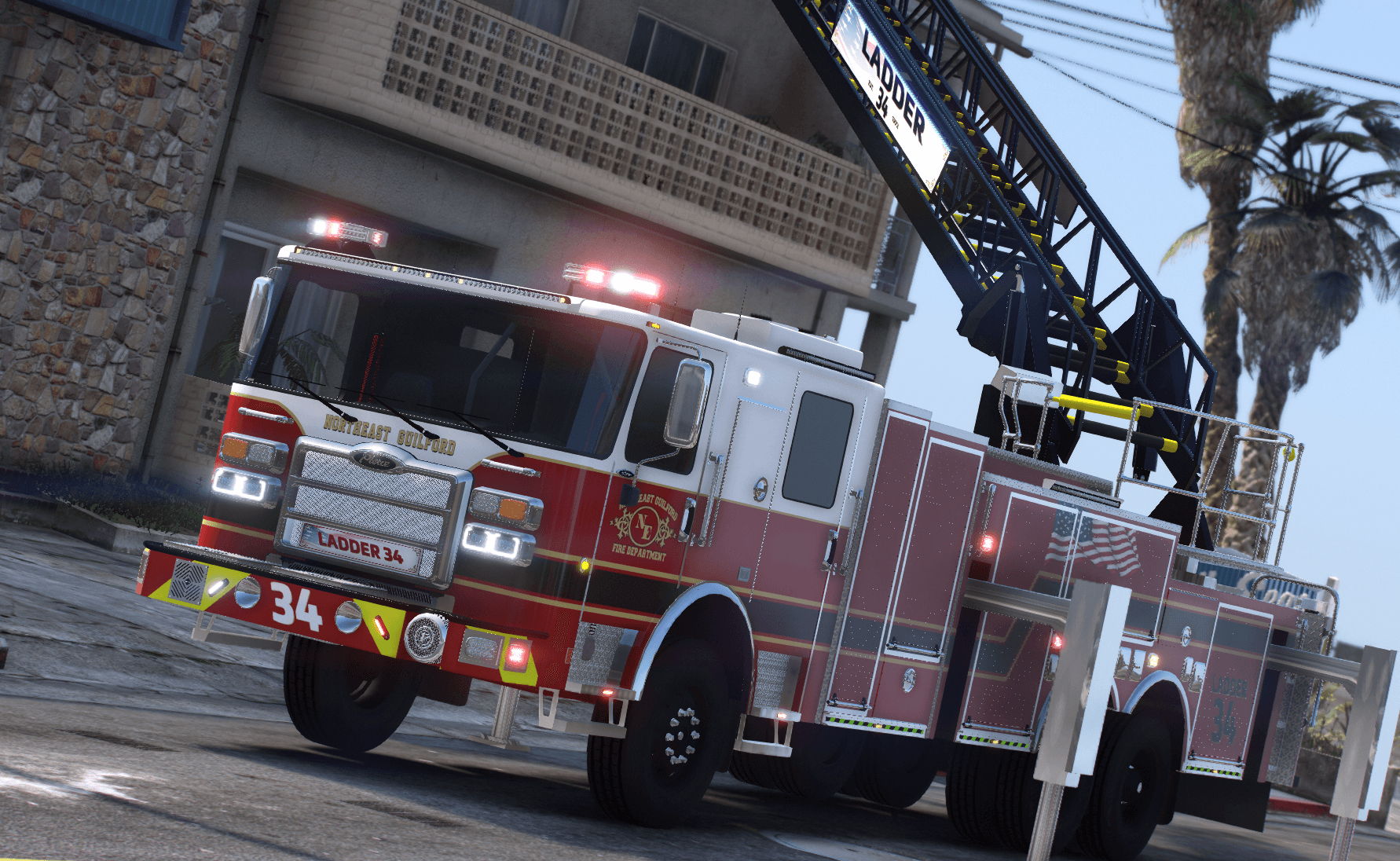
The Ladder
Aerial Operations
Provides a 105ft reach for high-angle rescues and massive overhead water delivery.
The Firefighter's
Arsenal.
"Entering environments that would melt steel requires 75 lbs of specialized life-support gear."

105ft REACH